


Reactor internals
Spliteks specializes in the design and manufacture of reactor internals. Our portfolio includes a full range of vessel internals for key processes in the refining and petrochemical industries.
We offer a comprehensive service for the supply of reactor internals. Learn more!
Learn more here
Example of solution
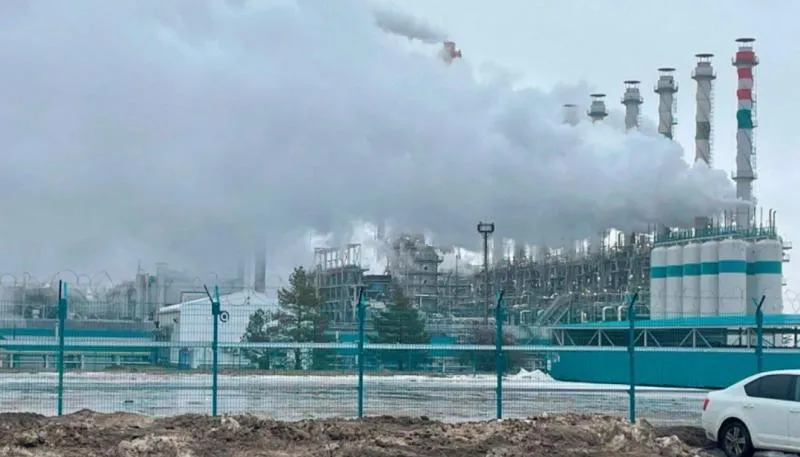
Customer request:
Urgent replacement of the damaged internals of columns K-14 and K-16 at the EP-300 unit is required.
Spliteks solution:
- Design and engineering
- Coordination with the manufacturers of the new column shells
- Expedited manufacturing at the facility in Serpukhov
- Delivery of the batch to the customer’s site
Do you have any questions?
Reactor internals
Spliteks designs and manufactures high-performance reactor internals, which are critical components for upgrading and improving the reliability of oil refinery units. We specialise in solutions for hydrotreating and catalytic reforming processes.
Our work is based on advanced design technologies (CFD modelling) and manufacturing methods. Each device is a precision-engineered product that ensures optimal flow distribution, heat removal and catalyst protection, directly increasing the profitability of our customers’ units.
Main types and designs
Reactor internals are high-tech components that control the flows of feedstock, products and heat-transfer media, ensuring maximum process efficiency and catalyst protection.
A fixed-bed reactor is the main type of equipment used in hydrotreating processes. Catalyst pellets are loaded as one or more stationary beds onto support devices inside the shell, and the feed passes downwards through the bed under pressure.
This design enables long-term continuous operation, ensures maximum contact between the reactants and the catalyst, and facilitates interbed cooling (quenching), but requires periodic shutdowns to replace or regenerate the spent catalyst.
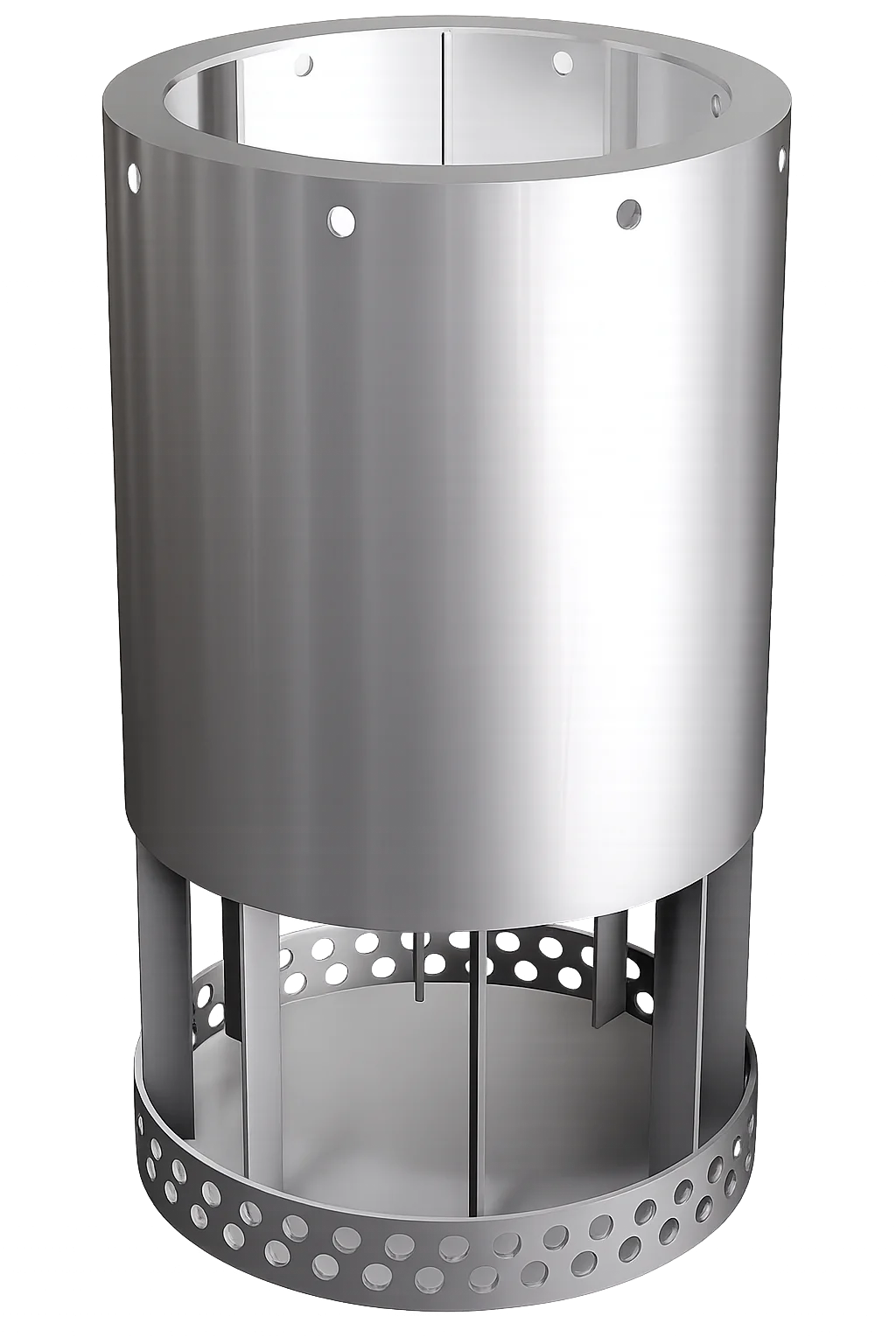
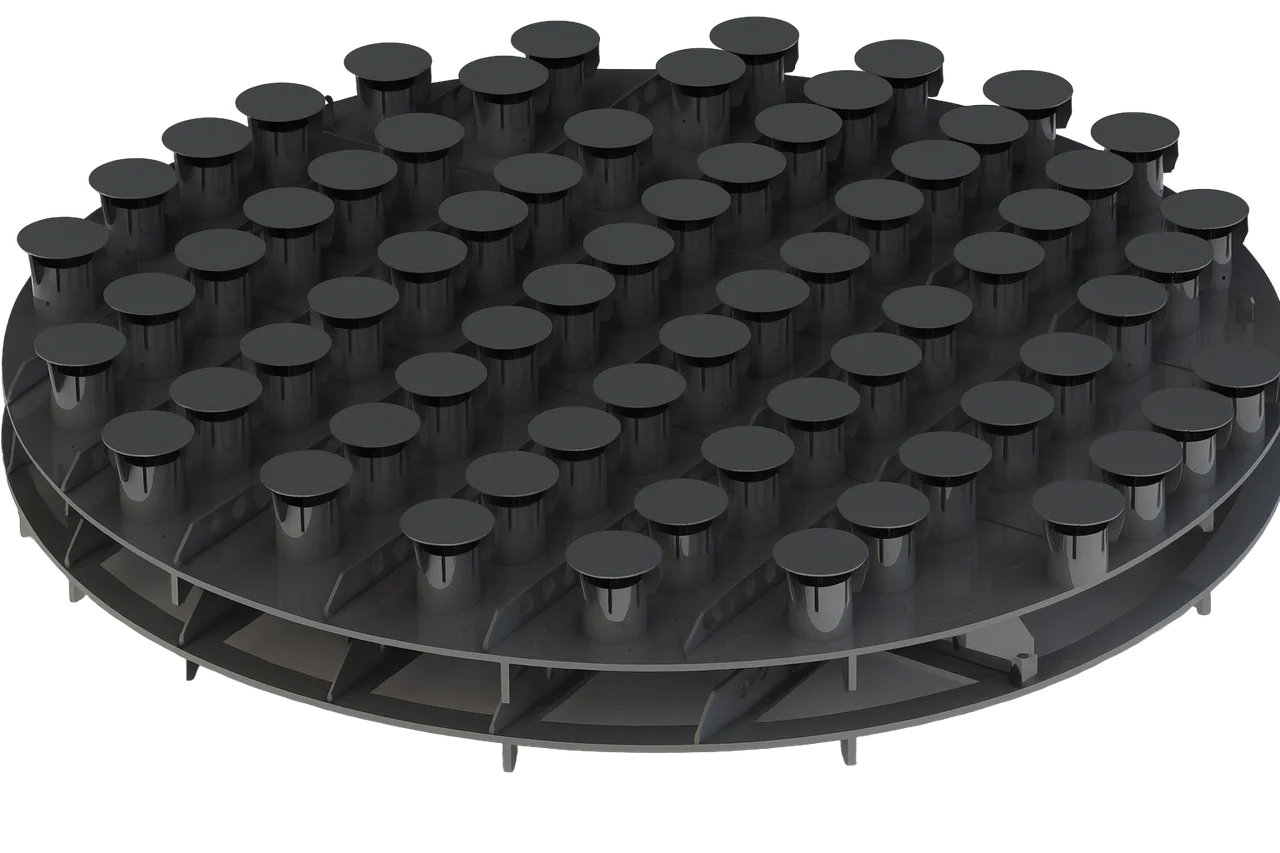
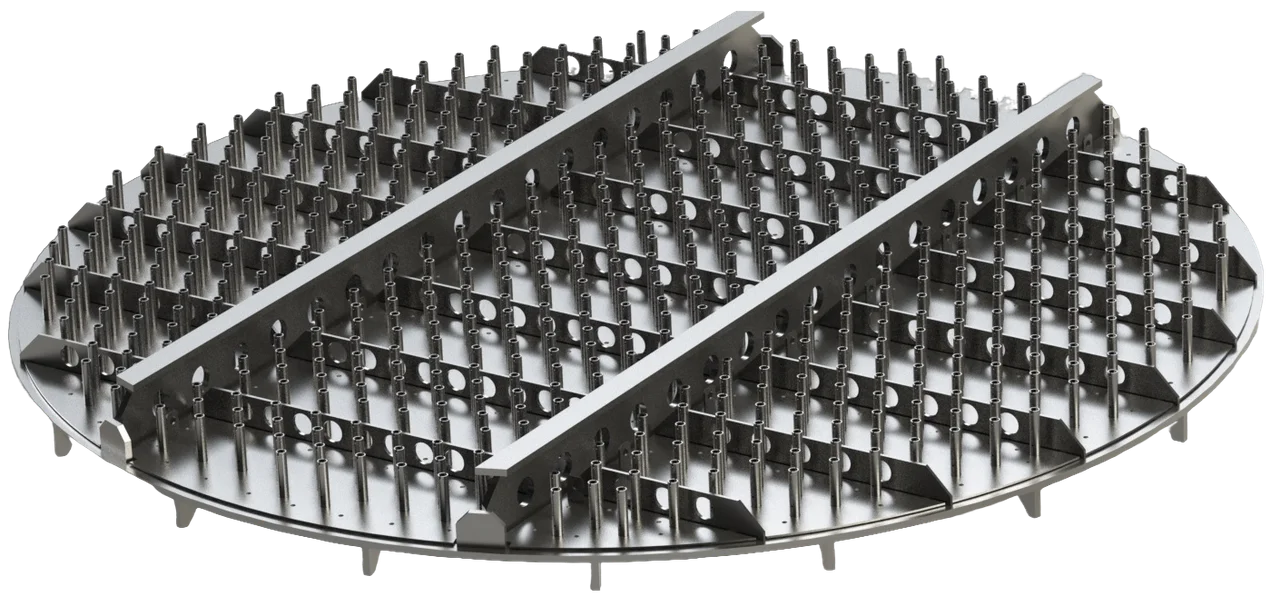
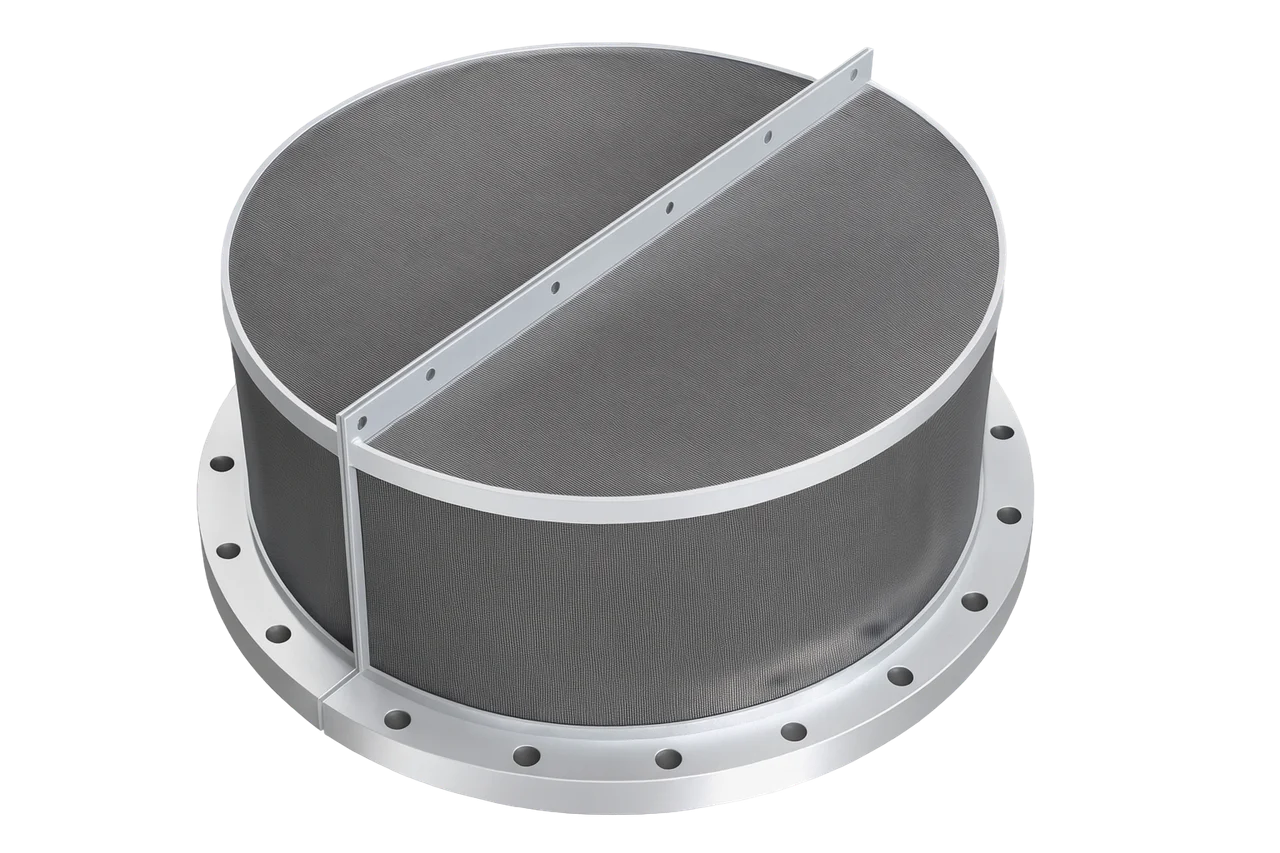
Typical internals of hydrotreating and reforming reactors include an inlet device, a guard tray, a distribution tray, an outlet collector, a catalyst support grid, a quench supply and distribution system, a centre pipe and scallops.
Material selection is critical: we use steels resistant to high temperatures, pressure, hydrogen attack and aggressive media, ensuring that the products last throughout the unit’s entire turnaround cycle.
Operating principles and functions
The operating principle of such devices is based on controlling chemical reactions by optimising contact between the reactants. Reactor catalyst systems accelerate processes such as hydrocracking or reforming, in which the catalyst activates the conversion of feedstock into fuels or other products.
The inlet device provides initial uniform distribution of the gas-liquid flow across the entire reactor cross-section. It has a rigid welded design and is precisely positioned in the feed-mixture inlet nozzle.
The guard tray captures and settles mechanical impurities, protecting the upper catalyst bed from plugging and thereby preventing an increase in pressure drop.
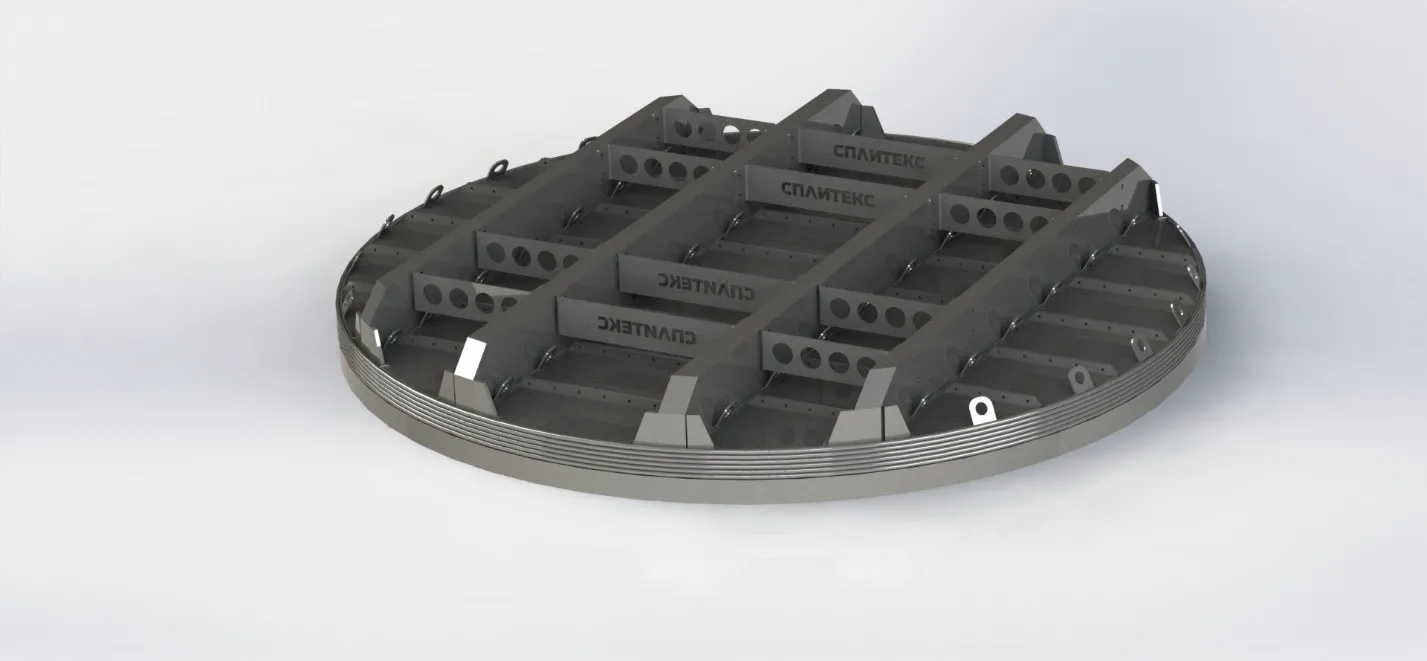
While the inlet device sets the overall flow direction and eliminates large-scale maldistribution, the distribution tray ensures that every catalyst pellet in the upper bed is wetted uniformly. This prevents the formation of “wet” and “dry” zones, ensures full catalyst utilisation and prevents local overheating at the beginning of the reaction zone.
The reactor outlet collector, located at the bottom of the shell beneath the catalyst, is a key component for product withdrawal. It uniformly collects and withdraws the reaction products while also serving as the load-bearing support for the entire catalyst bed. The collector design prevents solids carryover and provides a smooth transition of the flow into the outlet pipeline, protecting the equipment against erosion.
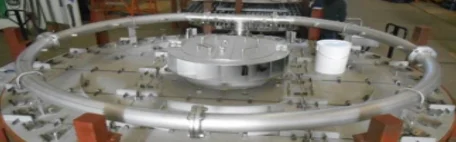
The quench supply and mixing system is a set of devices designed to introduce cold recycle gas into the zone between the catalyst beds and mix it immediately with the main hot flow. The main purpose of the system is to efficiently remove heat from exothermic reactions, preventing catalyst overheating and temperatures exceeding the permissible process limits. Modern low-pressure-drop quench systems provide minimal pressure drop and extremely rapid mixing, improving process stability and catalyst life.
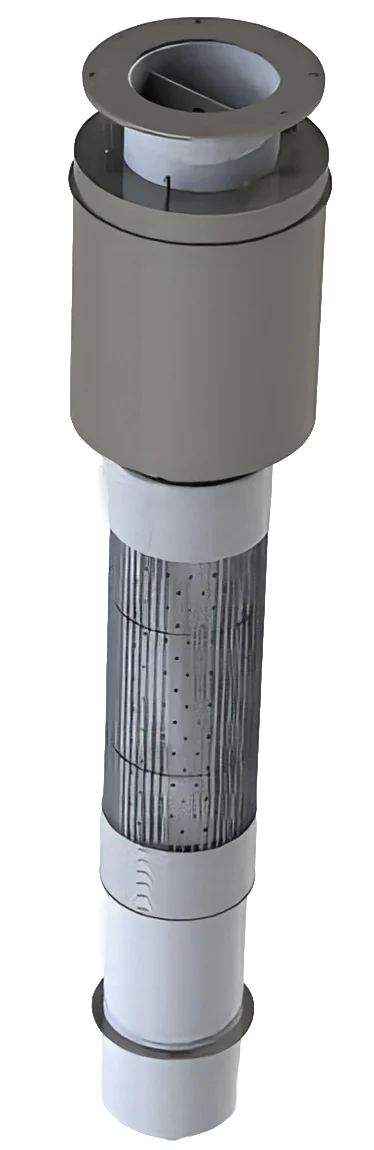
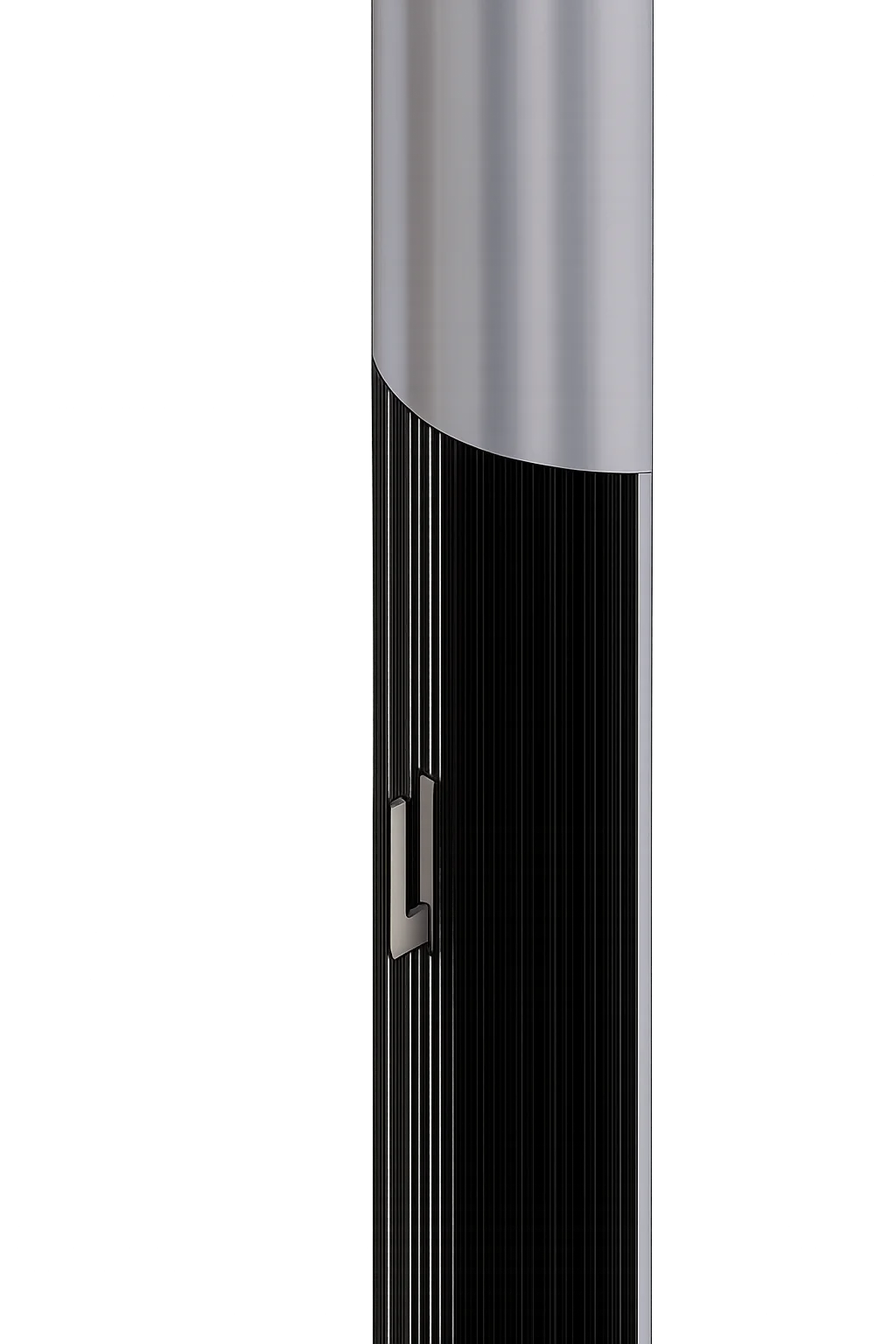
The scallops are designed with the maximum open area, ensuring minimal hydraulic resistance and stable operation under any flow-rate fluctuations. Triangular-profile wire is used in their design to prevent catalyst dust carryover and slot plugging. Strict compliance with tolerances for verticality, straightness and twist ensures rapid installation and long-term reliable operation of the device
Materials and process features
To manufacture petrochemical reactor internals, we use alloys resistant to hydrogen attack, high temperatures and aggressive media, including austenitic steels, Hastelloy, Inconel and any other materials specified by the customer. These materials ensure durability under the extreme process conditions of hydrotreating and reforming.
Our production facility provides a complete reactor-equipment manufacturing cycle, from CFD-based design to precision machining and quality control, ensuring that every device meets stringent strength, leak-tightness and hydraulic-performance requirements.
Industry applications
SPLITEKS internals are used not only in hydrotreating and reforming, but also in related industries that employ similar fixed-bed reactor equipment.
In oil refining, they are used in hydrocracking reactors, where pressures and heat release are even higher, and in isomerisation reactors, where the key reactor internals must ensure uniform flow distribution.
In petrochemicals, our devices are used in aromatics (BTX) production processes that are technologically similar to catalytic reforming.
In gas processing, they are used in hydrocarbon-gas hydrotreating reactors and conversion reactors for hydrogen production. Temperature control is critical in these applications and often requires quenching—a cold-gas injection and mixing system that directly draws on our expertise in fixed-bed thermal management.
Product advantages
The key benefits engineered into every product by our company have a direct impact on the economics of the industrial unit.
Our internals improve reactor efficiency. Uniform flow distribution ensures full catalyst utilisation and reduces coke formation, ultimately increasing the yield of target products.
Our devices minimise unplanned downtime through precise compliance with tolerances, enabling rapid installation and on-site fit-up even within a limited maintenance window.
Finally, we extend reactor run length between turnarounds through the use of guard trays and protection systems. Installed at the top of the bed, these devices capture mechanical impurities and corrosion products, preventing premature plugging and poisoning of the main, expensive catalyst. This protects the heart of the process and significantly extends the industrial unit’s operating cycle between major overhauls.
Manufacturing and integration
SPLITEKS reactor internals are manufactured entirely at the company’s own plant in Serpukhov. The production cycle encompasses the full range of modern operations: precision plasma and waterjet cutting, CNC machining and welding.
Every finished device undergoes rigorous inspection, including hydraulic leak testing and liquid-distribution testing to confirm the stated hydraulic characteristics.
Reactor equipment can be ordered and a quotation obtained directly through our website. Our engineers are ready to assess your requirements promptly and propose the optimum solution for your industrial unit.